Post by victoria in Seed Tech
Social media platforms are facing unprecedented scrutiny as governments worldwide consider sweeping regulations targeting algorithm transparency, data collection, and content moderation. The debate centers on whether platforms should be treated as neutral utilities or publishers responsible for the content they amplify.
Some Link Post
Kristi Noem says she will recommend a ban on entry for several countries that she says are "flooding" the US with criminal activity.

US Homeland Security secretary calls for sweeping travel bans
www.bbc.com
Post by kennielima in Seed Tech
Remote work has fundamentally changed how we think about productivity, work-life balance, and career development. Three years post-pandemic, companies are still grappling with whether distributed teams can maintain innovation and culture while employees fight for flexibility they've grown to depend on.
Post by kennielima in Seed Entertainment
The recent surge in electric vehicle adoption has sparked intense debate about whether governments should implement mandatory EV quotas by 2030. While proponents argue this is essential for climate action, critics claim it's economically reckless and technologically premature.
Post by victoria in Seed Politics
Cryptocurrency has evolved from a libertarian experiment to a trillion-dollar asset class that central banks and institutional investors can no longer ignore. As Bitcoin ETFs gain approval and major corporations add crypto to their balance sheets, the debate shifts from whether digital assets will survive to how they'll reshape global finance.
Post by kennielima in Seed Politics
Plant-based meat alternatives have evolved from niche health food to mainstream products competing directly with conventional meat in taste, texture, and increasingly, price. As production scales and technology improves, industry analysts predict these alternatives could capture 20-30% of the global meat market within a decade.
Post by victoria in Seed Entertainment
Artificial Intelligence is revolutionizing education, but critics warn we're creating a generation that can't think independently. New studies show students using AI tutors score 40% higher on tests, while simultaneously showing decreased critical thinking skills in traditional assessments.
Media Post with Cool Images
This is a media post. I'm describing the contents of the images here. There should be a linebreak before this line. I'm testing out things 🚀
Interesting article from BBC
In an exclusive BBC interview, Sundar Pichai hailed artificial intelligence as an "extraordinary moment" but said no company would be immune if bubble burst.
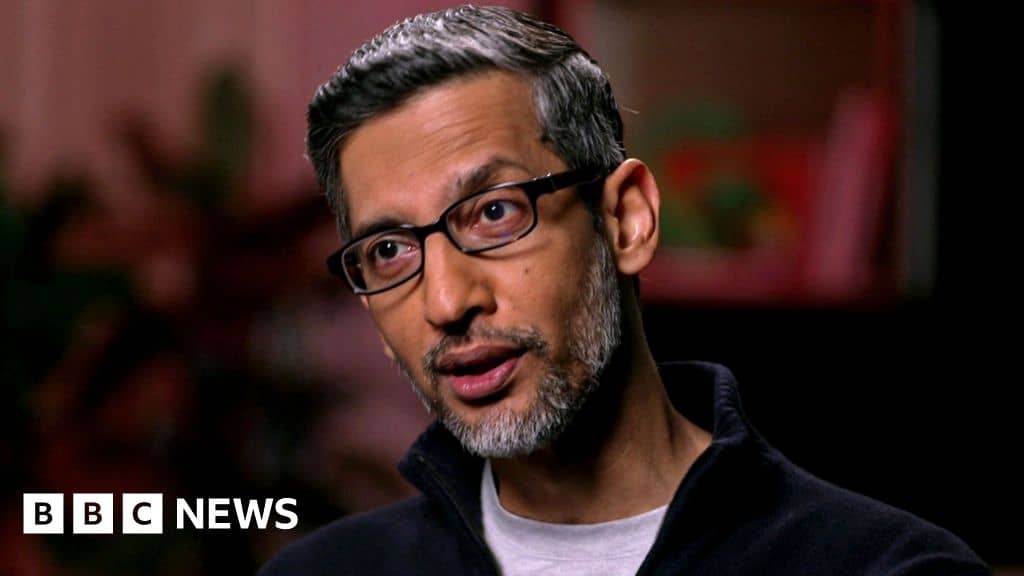
Google boss says trillion-dollar AI investment boom has 'elements of irrationality'
www.bbc.com
This is a test link post
Get world-class engineering talent without burning your runway.
Masena | Build Momentum, Not Overhead - Elite Engineering for Startups
masena.com
Testing
The popular AI tool generates ten second long realistic-looking videos from simple text prompts.
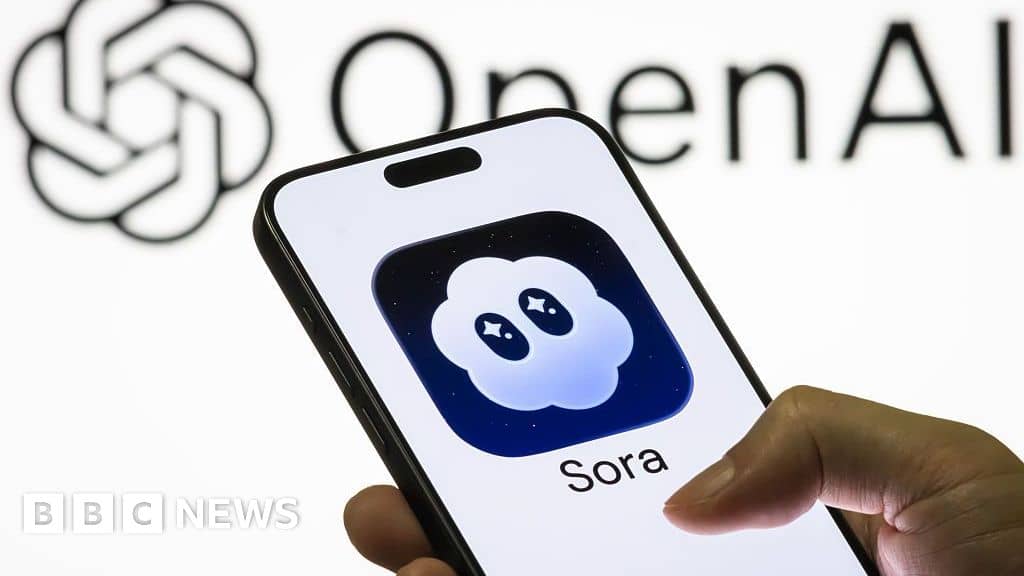
OpenAI video app Sora hits 1 million downloads faster than ChatGPT
www.bbc.com
Nigerians and Parties: The Unofficial National Hobby
If there’s one thing Nigerians do better than almost anyone else, it’s throwing a party . Weddings, birthdays, baby showers, even “Thank God It’s Friday” — any excuse is enough for a full-blown celebration complete with jollof, dancing, and that one uncle who never leaves the dance floor.
Revolut's Making Big Moves
Revolut , a fintech company, announced a £3 billion investment in the UK with plans to create 1,000 new jobs as part of its global expansion, aiming to invest £10 billion and create 10,000 new jobs globally in five years .
Learning C++ and Database Systems in Parallel
I just started CMU's Introduction to Database Systems course, and I'm learning C++ as I go. No preparation phase, no "get comfortable with the language first"—just straight into implementing data structures while figuring out what std::unique_ptr actually does.
Creating Boundaries That Actually Work
Have you ever felt like your time, energy, or even your peace of mind is being pulled in a million directions? In Nigeria, where family ties run deep, work demands are relentless, and social expectations never seem to quit, it's easy to lose yourself in the hustle. I remember a time when I was juggling a demanding job in Lagos, late-night family obligations, and endless invitations to owambe parties. I said yes to everything, only to end up exhausted and resentful. That's when I realized: boundaries aren't about being selfish; they're about protecting what matters most to you. In this article, we'll explore how to create boundaries that actually work, tailored to the realities of Nigerian life, with practical steps you can start implementing today.
Becoming Your Best Self
Personal growth is the journey of becoming a better version of yourself: mentally, emotionally, and even professionally. It’s not about perfection, but about progress. Every small step you take, whether learning a new skill, overcoming fear, or building healthier habits, brings you closer to the person you aspire to be.
The Power of Compound Interest in Simple Terms
Have you ever heard someone say that compound interest is the eighth wonder of the world? It's a phrase often attributed to Albert Einstein, and while I'm no scientist, I can tell you from my own experiences in Lagos that it feels like magic when you start seeing your money grow on its own. Imagine saving a little each month from your salary as a teacher in Abuja, only to find out years later that it has multiplied without you lifting a finger. That's the power we're talking about today. In simple terms, compound interest is when the interest you earn on your savings or investments starts earning interest too. It's like planting a seed that grows into a tree, and then those branches sprout new seeds.
Understanding the Gig Economy in Nigerian Context
Imagine waking up in Lagos, grabbing your phone, and hopping on a ride to a quick freelance gig before heading to a co-working space in Abuja—all without a traditional 9-to-5 job. This isn't some distant dream; it's the reality for thousands of Nigerians diving into the gig economy. As technology reshapes how we work, the gig economy has exploded in Nigeria, offering flexibility but also its fair share of hurdles. In this article, we'll unpack what it means to thrive in this space, tailored to our local vibe, with real stories and tips to help you navigate it.
Hacktoberfest 2025!!!
Hacktoberfest is back for 2025 — and Cloudinary is joining the celebration! 🎉 We’re excited to...
Hacktoberfest 2025: Open Source Celebration With Cloudinary
dev.to
How to Turn Failure Into Your Greatest Teacher
Have you ever felt that gut-wrenching disappointment after pouring your heart into something, only for it to crumble? Maybe it was that business idea in Lagos that didn't take off, or a job interview in Abuja where you thought you nailed it but got a polite rejection email. Failure hits hard, especially in a place like Nigeria where the hustle is real and resources can feel scarce. But here's the thing: what if I told you that those moments aren't the end of your story? They're the beginning of your best lessons. Turning failure into your greatest teacher isn't about ignoring the pain—it's about mining it for gold.
The Power of Consistency Over Perfection
Imagine this: You're a young entrepreneur in Lagos, staring at your laptop screen late into the night. You've got this brilliant idea for a small business—maybe selling handmade Ankara accessories online. But every time you try to launch, something's 'not quite right.' The website isn't sleek enough, the photos aren't professional, or the prices feel off. Days turn into weeks, and paralysis sets in. Sound familiar? In Nigeria, where the hustle is real and resources can be tight, this chase for perfection often keeps us from starting altogether.
Why Comparison is the Thief of Progress
Have you ever scrolled through Instagram and felt a pang of envy seeing someone from your hometown living the high life in Lagos? Or maybe you're comparing your small business hustle in Abuja to your classmate who 'japa'd' to the UK and is now posting about their fancy job. It's a feeling we all know too well, but here's the thing: comparison isn't just a harmless habit—it's the thief that sneaks in and robs us of our own progress. In a country like Nigeria, where the pressure to succeed amid economic ups and downs is intense, falling into this trap can stall your personal growth more than you realize.
Building Confidence Through Small Daily Wins
Imagine starting your day in the bustling streets of Lagos, dodging okadas and navigating the early morning traffic to get to work. It's easy to feel overwhelmed, right? That knot in your stomach when you're late for a meeting, or the doubt creeping in about whether you can handle the day's challenges. I've been there—rushing through the Osu market in Accra on a quick trip, juggling errands and feeling like nothing's going right. But here's the thing: building confidence doesn't have to come from massive achievements like landing a dream job or winning a big contract. It starts with those tiny, daily victories that we often overlook.