The Jollof War Chronicles: Nigeria vs. The Rest of the World
Ah, Jollof rice — the undisputed champion of West African dinner tables, birthday parties, and weddings. But mention it in a room full of Africans, and you’ll start an argument faster than a Lagos traffic jam.
The Eternal Question: Who Makes the Best Jollof?
Ask a Nigerian, and they’ll say:
“Please, Ghanaian Jollof is just rice with ketchup. Respect yourself.”
Ask a Ghanaian, and you’ll hear:
“At least our rice is not fighting for survival in oil.”
Then there’s Senegal — the original home of Jollof — quietly watching the chaos like,
“You children are arguing over our invention.”
Nigerian Jollof: The Bold and the Beautiful 🇳🇬
Let’s be honest — Nigerian Jollof isn’t food, it’s an emotion.
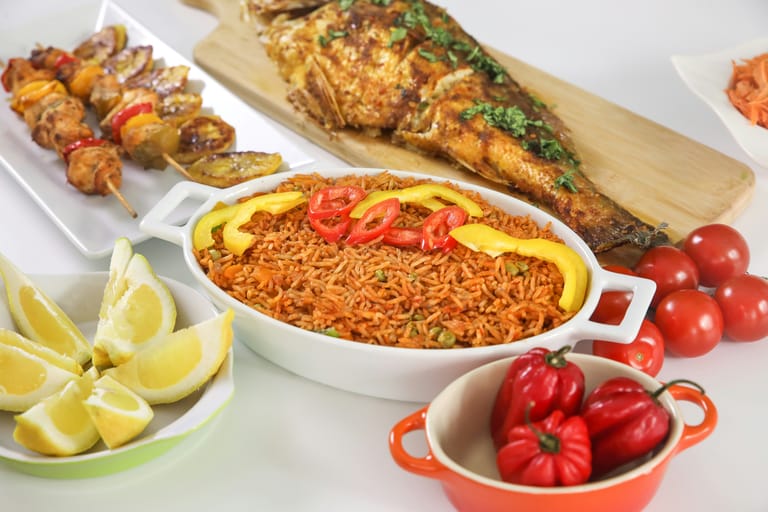
It’s smoky, spicy, and always cooked on firewood that adds that signature “party taste.” You know it’s serious when the aunty stirring the pot says:
“Don’t touch it yet o! It’s still catching the fire!”
It’s the centerpiece of every event:
Weddings 🍾
Funerals (yes, people still collect takeaway plates) ⚰️
Random Tuesdays, because why not?
The Ghanaian Counterattack 🇬🇭
Ghanaian Jollof, to be fair, has its loyal defenders. It’s milder, more tomato-rich, and usually served with fried plantains that slap in the best way. But to a Nigerian, it’s like watching football highlights when you could be watching the full match.
The Real Winner
At the end of the day, we all know the truth — the real winner is whoever gets to eat both. Because whether it’s Nigerian, Ghanaian, or Senegalese, Jollof rice remains the ultimate symbol of African pride and flavour.
And if you don’t like Jollof rice?
Check your pulse — you might be the villain in this story. 😅
Comments (0)
Join the conversation